 Dinner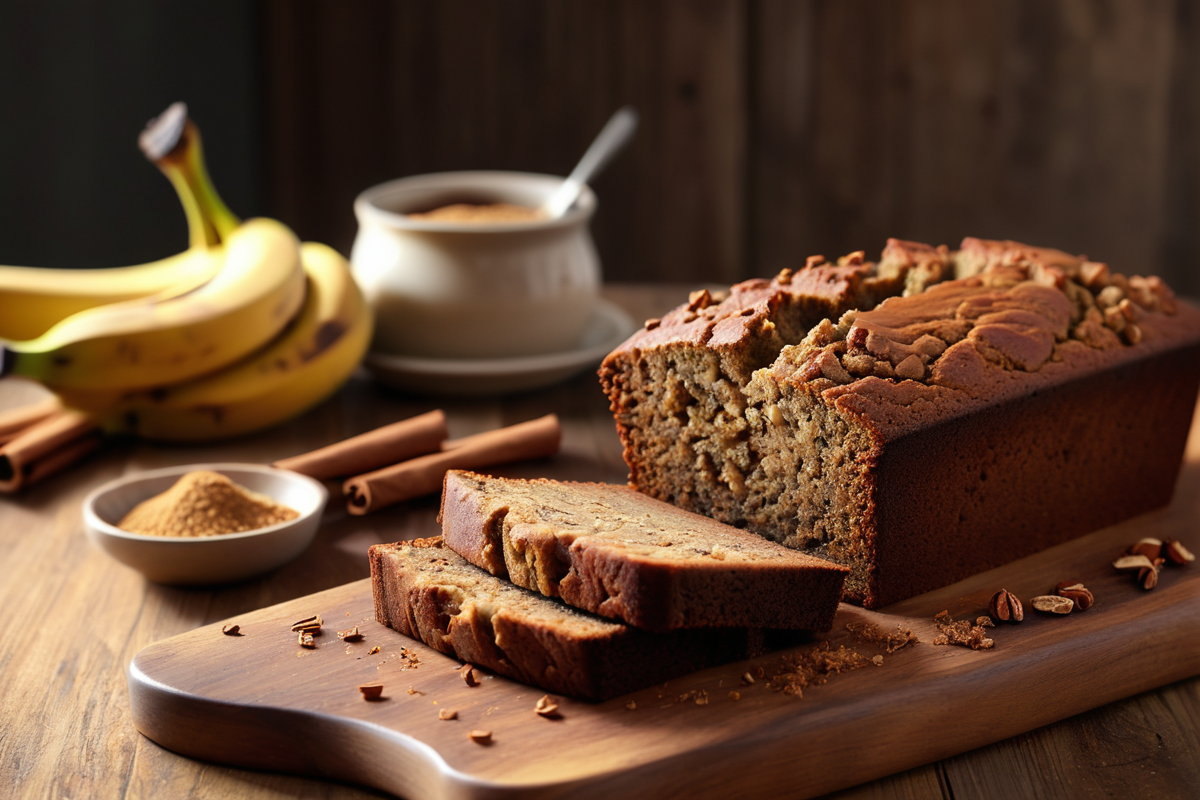
Gluten-Free · Dairy-Free · Breakfast  By SavoryFolks June 1, 2026
4.9
By SavoryFolks June 1, 2026
4.9
Gluten Free Banana Bread — The Moist, No-Fail Loaf
This gluten free banana bread bakes up moist, tender, and packed with real banana flavor using a simple GF flour blend. Ready in 35 minutes.
Hey folks,
If you’ve been burned by dry, gummy, or oddly dense gluten free banana bread before — I get it. That was me for a long time. The first few times I tried making a gf banana bread recipe, I either ended up with something that crumbled apart the second you sliced it, or a weirdly wet loaf that never fully set in the middle. Not exactly the cozy breakfast vibe I was going for. After a lot of trial and error (and honestly, a lot of very ripe bananas), I figured out exactly what makes this work. The trick is using a quality gluten free 1-to-1 flour blend that already has xanthan gum built in — no guessing, no extra additives, no weird texture. You also need your bananas to be genuinely, embarrassingly overripe. Black-spotted, soft, fragrant. If your bananas still look mostly yellow, put this recipe down and come back in three days. Seriously. That sweetness and moisture is the whole foundation of a great gluten free banana bread, and there’s no shortcut for it.
This loaf comes together in about 10 minutes of active prep, bakes up with a golden, slightly crackly top, and stays moist for days. Let’s make it.
Why It Works
Gluten free baking can feel unpredictable, but banana bread is actually one of the more forgiving bakes you can do without gluten. Here’s why this recipe holds together so well.
First, the bananas themselves do a lot of structural work. They add natural sugar, moisture, and they act as a partial binder — kind of like a loose egg. The riper they are, the more sugars have broken down, which means a sweeter, more deeply flavored loaf. According to USDA FoodData Central, a very ripe banana has significantly more free glucose and fructose than a fresh one, which is exactly what you want here for flavor and moisture.
Second, using a 1-to-1 GF flour blend (one that already contains xanthan gum) means you get reliable structure without having to blend multiple flours yourself. I’ve tried building my own blends — rice flour, tapioca, potato starch — and honestly, for a quick bread like this, it’s just not worth the hassle. The Bob’s Red Mill Gluten Free 1-to-1 Baking Flour is my go-to because it swaps 1:1 for regular all-purpose flour in virtually any quick bread recipe, and the xanthan gum is already measured out perfectly.
Third — and this is the detail most people skip — the two-sugar situation matters. Using both granulated white sugar and brown sugar isn’t just about sweetness. The molasses in the brown sugar adds moisture retention and a slightly deeper, almost caramel note that plays really well with banana. A loaf made with only white sugar will taste flatter and dry out faster. I learned that the annoying way.
Finally, melted butter (not softened, not browned — just melted and cooled) creates a finer, more tender crumb than oil would. It mixes in evenly without overworking the batter, and it doesn’t make the loaf greasy the way vegetable oil sometimes can. In my experience, this is one of those small swaps that genuinely changes the final texture.
Ingredients
Here’s what you need and — more importantly — why each thing is in here:
The bananas — You need 3 very ripe ones. That’s roughly 1 1/4 cups mashed. If you only have 2 large ones, that can work, but the loaf will be less moist and less sweet. Don’t try to compensate by adding extra liquid; just wait for the right bananas.
GF 1-to-1 flour — This is the backbone. See the section above for why 1-to-1 matters here. Don’t use almond flour, coconut flour, or straight rice flour as a direct swap — they behave completely differently and you’ll end up with something dense or crumbly.
Baking soda + baking powder — You need both. The baking soda reacts with the natural acidity in the bananas and gives the loaf its main lift. The baking powder adds a secondary rise for a lighter crumb. Using only one or the other gives you uneven results.
Two eggs at room temperature — Cold eggs can seize the melted butter when you mix them together and create little clumps. Room temp eggs blend in smoothly and give you a more even batter.
Melted butter + whole milk — The butter adds richness and tenderness. The splash of whole milk loosens the batter just enough so it doesn’t bake up too tight. Don’t skip it, and don’t sub water.
Cinnamon + vanilla — These aren’t decoration. Cinnamon amplifies the banana flavor in a way that’s hard to describe until you’ve had banana bread without it. The vanilla rounds out the sweetness. Both are small amounts but you’d notice if they were missing.
Instructions
-
Preheat the oven to 350°F. Grease a standard 9x5-inch loaf pan and line it with parchment paper, leaving some overhang on the sides so you can lift the loaf out cleanly. This step saves so much frustration — gluten free breads can stick more than regular ones.
-
Mash the bananas in a large bowl until they’re completely smooth with maybe just a few small chunks left. If your bananas are truly ripe, a fork works fine. If they’re on the firmer side, use a potato masher and put in a little more effort.
-
Whisk in the wet ingredients. Add both eggs, the melted and cooled butter, milk, and vanilla extract directly to the mashed bananas. Whisk everything together until it’s combined and looks uniform. Don’t stress about being gentle here — this is the wet mix, and you can be fairly vigorous.
-
Combine the dry ingredients separately. In a medium bowl, whisk together the GF flour, baking soda, baking powder, salt, and cinnamon. Give it a real whisk — you want the leavening evenly distributed throughout the flour before it hits the wet mix.
-
Add the sugars to the wet mix and stir them in. I add them to the wet side rather than the dry side because they dissolve better that way and you get a more even sweetness throughout the loaf.
-
Fold the dry ingredients into the wet. Pour the dry ingredients into the banana mixture and fold with a spatula until just combined. A few streaks of flour are fine — once those disappear, stop folding. Overmixing GF batter makes it dense and slightly gummy. This is the step that trips up most people.
-
Pour the batter into the prepared pan and smooth the top with your spatula. It should be pretty thick — thicker than a regular quick bread batter, actually. That’s normal.
-
Bake for 55–65 minutes, until a toothpick inserted in the center comes out with just a few moist crumbs (not wet batter). My oven runs a little hot so I start checking at 52 minutes. If the top is browning faster than the inside is setting, tent it loosely with aluminum foil around the 40-minute mark.
-
Cool in the pan for 15 minutes, then use the parchment overhang to lift the loaf out onto a wire rack. Let it cool for at least another 20 minutes before slicing. I know waiting is the worst part. But slicing it too early means the interior is still setting up, and you’ll get a gummy, underdone-looking center even if the loaf is fully cooked.
Tips & Substitutions
On making it truly moist: The single biggest factor in getting a genuinely moist gluten free banana bread is banana ripeness — not extra oil, not extra eggs, not any other trick. Black, mushy, almost ferment-smelling bananas are what you want. If you’re in a hurry, you can roast unpeeled bananas at 300°F for about 20 minutes until the skins turn black and the flesh softens. It’s not quite the same as naturally ripening, but it gets you close.
Flour substitutions: Don’t try to sub almond flour 1:1 here — it’s way too moist and dense for this application. If you want to use almond flour, you’d need a completely different recipe built around it. For this particular recipe, stick to a 1-to-1 GF blend with xanthan gum included.
Make it dairy-free: Swap the butter for melted refined coconut oil (same quantity) and use any unsweetened non-dairy milk in place of the whole milk. The texture is very slightly different — a tiny bit denser — but it bakes up well and the flavor is still great.
Add-ins: A handful of chopped walnuts or pecans (about 1/2 cup) folded in at the very end is genuinely good here. Semi-sweet chocolate chips also work well. Don’t do both at the same time — it gets too busy.
Egg-free note: I’ve had people ask about making this without eggs. It’s doable — use 2 flax eggs (1 tablespoon ground flaxseed + 3 tablespoons water per egg, rested for 5 minutes) — but the loaf will be noticeably denser and more fragile. The eggs provide real structure here. If eggs aren’t an option, it still tastes good, but manage your expectations on the crumb.
Storage: Keep it wrapped tightly at room temperature for up to 3 days. After that, slice it and freeze the individual pieces — wrapped in plastic wrap and stored in a zip bag. Frozen slices toast up perfectly.
Frequently Asked Questions
Is banana bread gluten free? Traditional banana bread is not gluten free — it’s usually made with regular all-purpose wheat flour, which contains gluten. To make it gluten free, you swap the wheat flour for a certified GF flour blend. That’s exactly what this recipe does, using a 1-to-1 GF flour so the texture stays close to what you’d expect from a classic loaf.
What is the best gluten free flour for banana bread? A 1-to-1 GF baking flour blend that already contains xanthan gum is the easiest and most reliable choice for quick breads like banana bread. Bob’s Red Mill 1-to-1 is a very popular option. Almond flour and coconut flour are not direct substitutes — they require completely different ratios and additional binders, and you’d essentially be following a different recipe.
Why is my gluten free banana bread gummy in the middle? Usually this comes down to one of three things: underbaking, slicing the loaf too soon, or overmixing the batter. Underbaking is the most common culprit — gluten free loaves need to reach a fully set internal temperature, and the toothpick test really matters here. Let it go longer than you think, and definitely let it cool fully before cutting in.
Can I make this without eggs? Yes, but the result will be denser and more fragile than the egg version. Use flax eggs (1 tablespoon ground flaxseed mixed with 3 tablespoons water per egg, rested 5 minutes until gel-like). The banana itself provides some binding, so the loaf holds together, but it won’t have the same lift or springy crumb.
How ripe do the bananas need to be for gluten free banana bread? As ripe as possible — you want the skins to be heavily spotted or mostly black, and the flesh to be very soft and sweet-smelling. The natural sugars break down as bananas ripen, which adds both flavor and moisture to the loaf. Under-ripe bananas will give you a pale, bland, drier result. If you’re in a pinch, the oven-roasting trick mentioned in Tips works reasonably well as a shortcut.
The Bottom Line
This is honestly one of the recipes I come back to more than almost anything else on this site. 🍌 It’s simple, it uses stuff you probably already have, and it’s the kind of thing you can make on a Sunday morning without much thought. The key details — truly ripe bananas, a good 1-to-1 GF flour blend, not overmixing the batter, and letting it cool before you slice — are all easy once you know what to watch for.
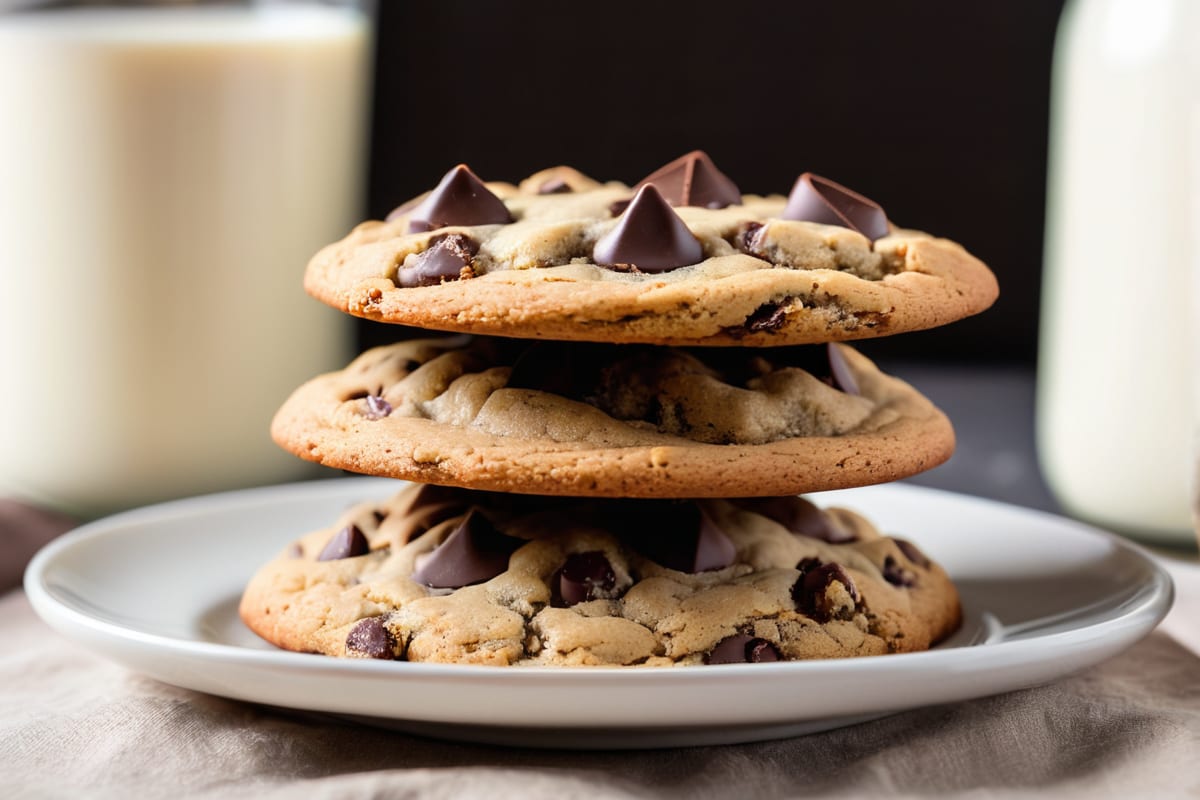
If you’re newer to gluten free baking and looking for more approachable recipes to build confidence with, check out our Gluten Free Blueberry Muffins and our Gluten Free Chocolate Chip Cookies — both use the same 1-to-1 flour swap and the same basic logic. Get comfortable with these foundational bakes and the rest gets a lot less intimidating.
Make it. Enjoy the loaf. Don’t slice it too soon. 🙌
Per serving
Nutrition facts, the honest kind
Calculated from the exact ingredients we tested with. Estimates — your numbers will vary slightly based on brand and portion size.
- Calculated per serving (10 servings total)
- Includes all components as written
- No specialty-ingredient guesswork
Nutrition Facts
10 servings per recipe
Calories 210 kcal
% Daily Value*
Total Fat 8g
Total Carbohydrate 34g
Dietary Fiber 2g
Protein 4g
* Percent Daily Values are based on a 2,000 calorie diet. Estimated values; your numbers may vary.
More from the kitchen
All recipes