 Dinner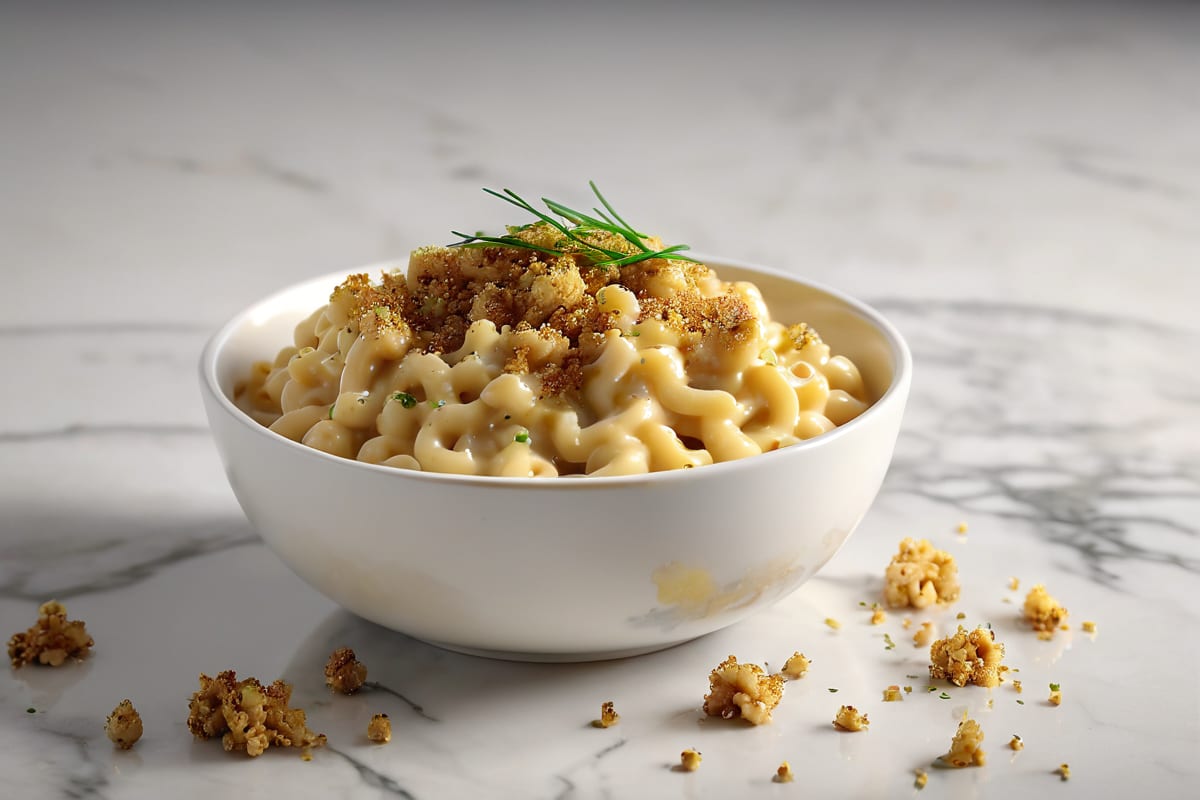
Gluten-Free · Dairy-Free · Dinner  By SavoryFolks May 18, 2026
4.9
By SavoryFolks May 18, 2026
4.9
Dairy Free Mac and Cheese — Cashew Sauce That Actually Gets Creamy
This dairy free mac and cheese uses a blended cashew sauce that's genuinely thick, cheesy, and kid-approved. Ready in 35 minutes.
Hey folks,
Here’s the thing about dairy free mac and cheese — most versions are either weirdly thin, taste like a health food store, or trick you into thinking you’re eating something “almost” good. I’ve made this recipe so many times now that I can tell just by looking at the sauce whether it’s going to work, and this one works. Every single time.
The secret is the cashew base. Not cashew milk. Raw soaked cashews blended until completely smooth, so you get a sauce that actually clings to the pasta instead of pooling at the bottom of the bowl. Add nutritional yeast for that savory, slightly tangy thing that makes your brain go “wait, is there cheese in this?” — there isn’t, but that’s the whole point. I’ve served this dairy free mac and cheese to kids who had no idea it was dairy-free, and they cleaned their bowls. That’s all the endorsement I need.
The full cook time is 35 minutes, but if you’ve got the cashews soaking ahead of time, your active work is maybe 15 minutes. It’s genuinely one of those weeknight meals where you feel like you pulled something off. Let’s get into it.
Why It Works
The cashew sauce here is the whole game. When you blend soaked raw cashews with liquid, you get this silky emulsion that has way more body than any plant-based milk on its own. Raw cashews are mild enough that they don’t taste “nutty” once blended — they’re essentially a blank, creamy canvas. According to USDA FoodData Central, cashews have a naturally high fat content (around 12g per ounce), which is exactly why they blend into something that feels indulgent instead of watery.
The tapioca starch is what pushes the sauce from “pretty good” to genuinely thick and gooey. It activates when the sauce hits heat, which means you get that stretchy, glossy quality that mimics a dairy-based cheese sauce really closely. This is the part most dairy free pasta recipes skip, and it makes a huge difference. Don’t swap it for cornstarch if you can avoid it — cornstarch gives a slightly starchy finish that you can taste. Tapioca starch disappears into the sauce cleanly.
Nutritional yeast handles the cheesy flavor — it’s packed with glutamates, the same compounds that make parmesan taste savory and deep. The dry mustard powder and smoked paprika might seem optional but they’re really not. Mustard adds that sharp edge that actual cheddar has. The paprika gives color and a slight smokiness that reads as “aged” in some weird way. Skip either one and the sauce tastes flat. I tried it once. Don’t do that.
One more thing — the lemon juice. It’s just one tablespoon but it does a lot. It gives the sauce that slight tang that dairy cheese has naturally. Without it, the cashew sauce can taste a little one-note and sweet. With it, everything balances out.
Ingredients
You don’t need anything too obscure here. The most important thing is that you use raw cashews, not roasted. Roasted cashews are toasted and oily and will make your sauce taste like a snack mix instead of a cheese sauce. Raw only.
For the pasta, I use Banza chickpea penne — it holds up well in sauce, has a good bite, and the extra protein makes the whole bowl more filling. Jovial brown rice elbows work great too if you want something more neutral. Whatever you use, cook the pasta slightly under the time on the box. It’s going to finish cooking in the sauce so you don’t want it going mushy on you.
The almond milk or oat milk is mostly for blending — it just helps everything get smooth. Don’t use full-fat coconut milk here, it’ll make the sauce taste tropical. Unsweetened and neutral is what you want.
The tapioca starch is a pantry staple I use constantly now. If you don’t have it, arrowroot works nearly as well. Either one, just don’t skip a starch entirely or your sauce won’t thicken.
Instructions
-
Soak the cashews. If you’ve got time, cover the raw cashews in cold water and soak for 2 hours. If you’re in a hurry, pour boiling water over them and let them sit for 20 minutes. Either way, drain and rinse them before blending. Soft cashews = smooth sauce. Firm cashews = gritty sauce. Don’t rush this part.
-
Cook the pasta. Bring a large pot of well-salted water to a boil. Cook your gluten-free elbow pasta for 1 to 2 minutes less than the package says — you want it just shy of al dente. Drain it, but save about half a cup of the pasta water before you do. Set both aside.
-
Blend the sauce. Add the drained cashews, almond milk, nutritional yeast, tapioca starch, lemon juice, garlic powder, onion powder, smoked paprika, mustard powder, salt, and pepper to a high-speed blender. Blend on high for a full 60 seconds. Stop, scrape the sides, blend again for another 30 seconds. It should look completely smooth and a little thick — almost like a loose batter.
-
Cook the sauce. Pour the blended sauce into a medium saucepan over medium heat. Stir constantly as it heats up — this is not a sauce you walk away from. After about 3 to 4 minutes, it’ll start to thicken noticeably and go glossy. That’s the tapioca starch doing its thing. Keep stirring until the sauce is thick enough to coat the back of a spoon.
-
Combine pasta and sauce. Add the drained pasta straight into the saucepan with the sauce. Toss to coat everything evenly. If the sauce feels too thick at this point, splash in a bit of the reserved pasta water, one tablespoon at a time, until it loosens to your liking. Taste it and adjust salt and pepper.
-
Serve immediately. Spoon into bowls. If you want the crispy topping, scatter the breadcrumbs over each bowl right before serving. Add fresh chives or parsley if you’ve got them. This dish tightens up as it cools, so eat it while it’s hot.
Tips & Substitutions
For a nut-free version: Sunflower seeds work surprisingly well as a cashew substitute. Soak them the same way and blend them the same way. The sauce will be slightly more savory and a little less creamy, but it’s genuinely good. Great option if you’re making this easy dairy free mac and cheese for a school lunch.
For the creamiest result: Don’t skip the blending time. I know 90 seconds in a blender sounds like overkill but if your cashews aren’t perfectly smooth, the sauce will have a slight graininess that’s hard to fix once everything is combined. If you don’t have a high-speed blender, blend longer and strain through a fine mesh sieve.
For a creamy dairy free mac and cheese cashew sauce with extra depth: Add a tablespoon of white miso paste to the blender. It boosts the savory, fermented notes in a way that makes people think there’s actual aged cheese in there. This is my personal favorite variation.
The substitute for milk in mac and cheese: Any unsweetened, neutral plant milk works here. Almond milk, oat milk, or rice milk are all good. Avoid coconut milk (too sweet and tropical) and soy milk (can add a slightly beany flavor). Cashew milk is actually perfect if you have it — you’d essentially just be adding more cashew flavor.
To make it vegan mac and cheese for a crowd: This recipe already is fully vegan as written. Double the sauce recipe — it keeps well in the fridge for 3 days, so you can make extra and use it throughout the week.
If your sauce breaks or looks grainy: Add a splash more almond milk and blend again. Or, add it back to the saucepan over low heat and whisk vigorously — the tapioca starch usually brings it back together with heat.
Frequently Asked Questions
How do you make mac and cheese without dairy? The best approach is a blended cashew sauce with nutritional yeast. Soaked raw cashews blend into a completely smooth, thick base that mimics the creaminess of a real cheese sauce. Add nutritional yeast for savory depth, a starch for thickening, and a little lemon juice for tang — and you’ve got something that genuinely tastes like the real thing.
What’s the best milk substitute for mac and cheese? Unsweetened almond milk or oat milk are the easiest swaps. They’re neutral enough not to compete with the other flavors in the sauce. Cashew milk is technically the best option if you can find it — it adds extra richness. Just avoid coconut milk and sweetened varieties of anything, or your sauce will taste off.
Is store-bought dairy free mac and cheese any good? Honestly? Most of it is fine in a pinch but the texture is usually thin and the flavor is one-note. Homemade beats every boxed version I’ve tried, and this sauce takes maybe 10 minutes of actual effort. The difference is noticeable.
Can kids eat this dairy free mac and cheese? Yes — and in my experience they won’t even notice it’s different. The sauce is mild, creamy, and coats the pasta exactly like a regular mac and cheese sauce would. Skip the smoked paprika if you’re making it for very young kids and want the flavor even more neutral.
Can you make this ahead of time? You can make the sauce up to 3 days ahead and store it in a jar in the fridge. It thickens when cold, so reheat it in a saucepan over low heat with a splash of almond milk and stir until smooth again. The pasta is best cooked fresh — gluten-free pasta doesn’t hold up as well overnight.
The Bottom Line
This dairy free mac and cheese is the version I keep coming back to. It’s faster than it looks, it uses real pantry ingredients, and the cashew sauce is genuinely thick and satisfying in a way that most plant-based pasta dishes just aren’t. 🧡
If you’re new to dairy-free cooking, this is the recipe I’d start with. It converts skeptics. It works on weeknights. And once you’ve got the sauce method down, you’ll start putting it on everything — roasted vegetables, baked potatoes, even as a dip. Fair warning.
Try these next if you’re on a roll with the dairy-free pastas:
Drop a comment and let me know if you did the miso variation. It’s worth it.
Per serving
Nutrition facts, the honest kind
Calculated from the exact ingredients we tested with. Estimates — your numbers will vary slightly based on brand and portion size.
- Calculated per serving (4 servings total)
- Includes all components as written
- No specialty-ingredient guesswork
Nutrition Facts
4 servings per recipe
Calories 420 kcal
% Daily Value*
Total Fat 16g
Total Carbohydrate 62g
Dietary Fiber 3g
Protein 14g
* Percent Daily Values are based on a 2,000 calorie diet. Estimated values; your numbers may vary.
More from the kitchen
All recipes