 Dessert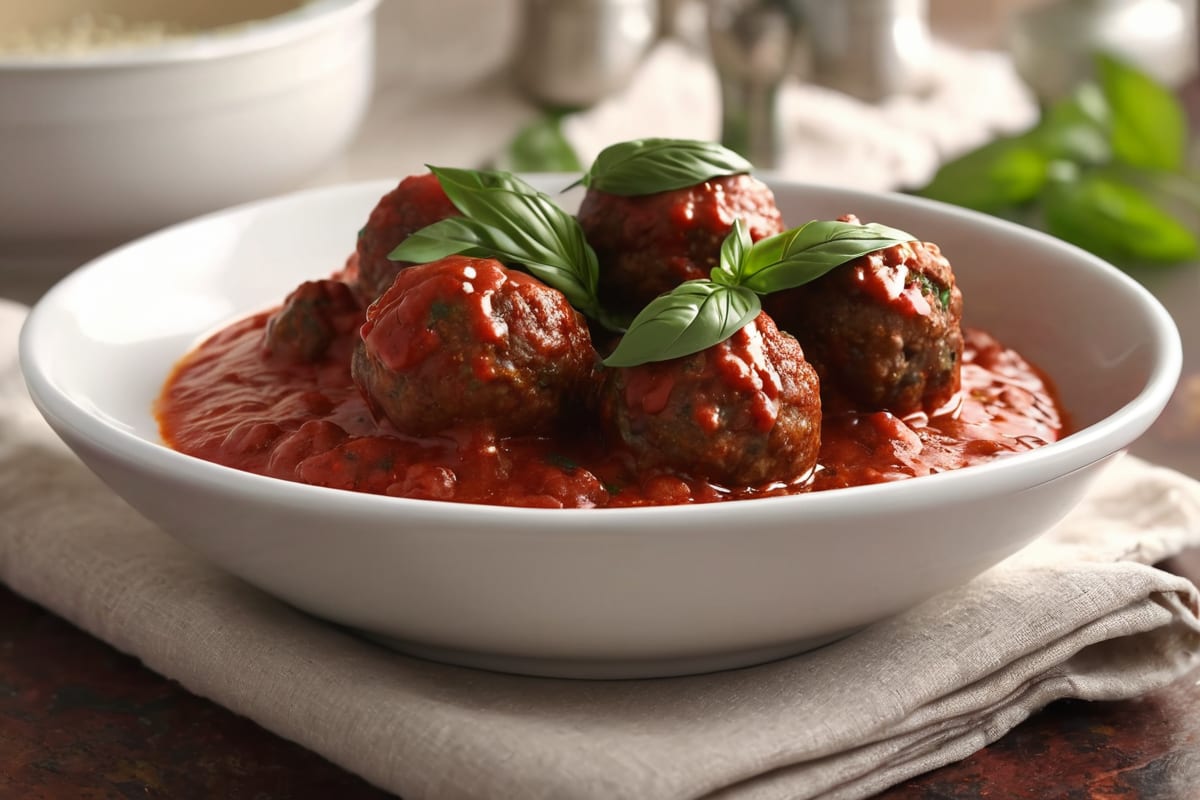
Gluten-Free · Dairy-Free · Dinner  By SavoryFolks May 18, 2026
4.9
By SavoryFolks May 18, 2026
4.9
Gluten Free Dairy Free Meatballs — Baked, Juicy, No Fillers
Tender baked meatballs with no gluten or dairy, using oat flour as the binder. Ready in 40 minutes and perfect over pasta or in sauce.
Hey folks,
So here’s the problem with most gluten free dairy free meatballs recipes out there — they either turn into dry little hockey pucks, or they fall apart the second you try to move them off the baking sheet. I’ve been there. I’ve made the crumbly version, the weirdly gummy version, and the one that tasted vaguely of chickpea flour and regret. Four batches later, I finally cracked it, and honestly the fix was embarrassingly simple.
The secret is certified GF oat flour — not breadcrumbs, not a GF flour blend, specifically oat flour. It holds moisture without making the texture dense, and it absorbs just enough of the meat’s natural fat to keep every single meatball tender in the middle. Combined with one egg and a few aromatics, you get a meatball that’s juicy, holds its shape, and actually tastes like something you’d order at a restaurant. These are baked, not fried, which keeps cleanup sane and the results consistent. And yes — no dairy whatsoever. No parmesan, no breadcrumbs soaked in milk, none of it.
Let’s get into it.
Why It Works
The biggest challenge with gf df meatballs is the binder. Traditional meatball recipes rely on breadcrumbs soaked in milk — the breadcrumbs absorb liquid, which keeps the meat mixture loose enough to stay tender after cooking. Pull both of those out, and you have a binding problem.
Oat flour solves this really well. It’s finely ground, so it distributes evenly through the meat mixture without creating any weird pockets or textures. And because it’s naturally higher in soluble fiber than most GF flours, according to USDA FoodData Central, it forms a gentle gel-like structure when it hits moisture — in this case, the egg and the fat from the beef. That gel keeps the meatball cohesive during baking without making it tough.
The other thing that matters here is fat percentage. I use 85/15 ground beef, and that’s not negotiable. Leaner beef means less fat rendering during baking, which means dryer meatballs. I tried 90/10 once — they were fine, but not great. Stick with 85/15.
Baking at 400°F also helps. High heat means the outside sets fast, which keeps all those juices locked inside. If you bake low and slow, you just lose moisture the whole time. These go in at 400°F for 20–22 minutes, no flipping required — just set them and walk away.
One more thing: don’t skip the parsley. Fresh parsley adds brightness that you genuinely notice when it’s missing. Dried just doesn’t do the same thing here, at least in my experience.
Ingredients
Here’s what you need for one pound of ground beef, which gives you about 16 meatballs — enough for 4 people over pasta.
The meat: 85/15 ground beef is the move. The fat is doing real work here.
The binder: Bob’s Red Mill certified GF oat flour is what I use. One-third of a cup is just enough — too much and the texture gets pasty, too little and they won’t hold. This is the key ingredient for easy gluten free dairy free meatballs baked oat flour style, and it’s genuinely the approach I’d recommend over any other GF flour I’ve tested.
The egg: Just one whole egg. It binds and adds a little richness without making the mixture wet.
Aromatics: Garlic (fresh, not powdered — please), parsley, oregano, onion powder. This combo gives you that classic Italian meatball flavor without any cheese.
Salt and pepper: Half a teaspoon of fine sea salt and a quarter teaspoon of black pepper. Season the meat itself, not just the sauce.
Olive oil: Just a tablespoon, rubbed on your hands before rolling. It keeps the meatballs smooth on the outside and stops them from sticking to the pan.
If you’re planning to serve these as gluten free dairy free Italian meatballs — meaning in tomato sauce — I’d also suggest having a jar of good marinara ready, or making a quick one while the meatballs bake. They go straight into the sauce and finish cooking there for another 5 minutes if you want them extra saucy.
Instructions
-
Preheat your oven to 400°F and line a rimmed baking sheet with parchment paper. No parchment — use foil and spray it. Either way, don’t skip the lining.
-
Combine everything in a large bowl: add the ground beef, egg, oat flour, minced garlic, parsley, oregano, onion powder, salt, and pepper. Use your hands — really get in there and mix until everything is evenly distributed. Don’t over-mix though. You want it just combined, not compressed. About 30 seconds of mixing is enough.
-
Rest the mixture for 5 minutes. This gives the oat flour time to hydrate and makes rolling way easier. The mixture will feel slightly tacky at first and then firm up a bit. Don’t skip this.
-
Rub your hands lightly with olive oil and roll the mixture into balls about 1.5 inches in diameter — roughly the size of a golf ball. You should get 15–16 meatballs. Place them on the lined baking sheet with about an inch of space between each one.
-
Bake for 20–22 minutes, until the tops are lightly browned and the internal temperature reads 165°F on an instant-read thermometer. My oven runs a little hot so I pull them at 20 minutes exactly — yours might need the full 22. Don’t go past that or they’ll start to dry out.
-
Serve immediately over pasta with marinara, or transfer them straight into a simmering sauce and let them hang out for 5 more minutes. That second option — gf df meatballs pasta sauce — is honestly my favorite way to serve these. The meatballs absorb the sauce a little and everything comes together beautifully.
Tips & Substitutions
Can you use a different GF flour? Sort of. Almond flour works in a pinch and gives a slightly richer, denser meatball. But oat flour gives you a lighter texture that’s closer to the real thing. I’ve also tried a 1-to-1 GF baking blend — it works but the texture is a bit gummy. Oat flour is genuinely the best option here.
No egg? If you need these egg-free, use 1 tablespoon of ground flaxseed mixed with 3 tablespoons of water. Let it sit for 5 minutes until it gels, then add it to the meat. The meatballs will be slightly more fragile but still hold up in sauce. This is the approach I’d go with if you need fully vegan dairy free gluten free meatballs — swap the beef for a plant-based ground meat too.
Ground turkey instead of beef? Yes, this works. Use 93/7 turkey (not 99/1 — too lean). Add an extra tablespoon of olive oil to the mixture to compensate for the lower fat content. Cook time stays the same.
Herbs: Fresh parsley is my strong preference. But if you only have dried, use 1 teaspoon instead of 2 tablespoons. Dried basil (half a teaspoon) is a nice add if you have it.
Make ahead: Roll and refrigerate the raw meatballs for up to 24 hours before baking. Or bake them, let them cool, and freeze in a single layer — then transfer to a bag. They reheat from frozen in sauce at medium-low for about 15 minutes, stirring occasionally.
Sizing: Bigger meatballs need more time. If you go for 2-inch meatballs, add 5–6 minutes to the bake time and check with a thermometer.
One thing I tried once that I’d advise against: adding water to the mixture to make it easier to mix. It sounds logical but it just makes everything wetter and the meatballs end up steaming instead of browning. Don’t do that.
These baked gf df meatballs are also great as an appetizer with toothpicks and a dipping sauce — my kids eat them faster that way than over pasta, honestly.
Frequently Asked Questions
How do you make meatballs without gluten or dairy? Skip traditional breadcrumbs (gluten) and parmesan or milk-soaked bread (dairy). Use certified GF oat flour as your binder instead — it absorbs moisture and holds the meatball together just as well. One egg brings everything together, and fresh garlic and herbs replace the flavor you’d normally get from parmesan.
What is the best binder for GF DF meatballs? Certified GF oat flour is, in my experience, the best option. It’s finely ground, neutral in flavor, and hydrates well with the egg and meat’s natural fat. Almond flour is a decent backup but makes a denser, slightly greasier meatball. Avoid rice flour — it doesn’t absorb moisture the same way and the texture ends up gritty.
Is store-bought marinara sauce gluten free and dairy free? Most plain tomato-based marinara is naturally GF and DF, but always check the label — some brands add cheese or use shared equipment. Rao’s Homemade marinara is a popular option that’s both GF and DF. When in doubt, make a quick sauce yourself with crushed tomatoes, garlic, and olive oil.
Can I make these meatballs ahead and freeze them? Absolutely. Bake them fully, cool them on a rack, then freeze in a single layer on a baking sheet for 2 hours before transferring to a freezer bag. They keep for up to 3 months. To reheat, drop them straight into simmering tomato sauce for 15–20 minutes over medium-low heat — they come out just as good as fresh.
What pasta goes best with gluten free dairy free meatballs? Any GF pasta you like works here. Brown rice pasta holds up best in sauce without getting mushy — look for Jovial or Tinkyada at most grocery stores. Chickpea pasta adds extra protein if that matters to you. Cook whatever pasta you use just to al dente, because it’ll finish cooking a minute or two in the sauce.
The Bottom Line
These gluten free dairy free meatballs are the kind of recipe you make once and then add to the regular rotation. 🙌 They’re genuinely juicy, they hold together, and they taste like meatballs — not like a “healthy version” of meatballs.
The oat flour trick is the whole game. Once you know it, you’ll use it forever.
Serve them over your favorite GF pasta with marinara — or try them with my Gluten Free Pasta Marinara for the full Italian dinner situation. If you’re doing a bigger spread, my Gluten Free Dairy Free Garlic Bread is the obvious side. Both recipes follow the same no-gluten, no-dairy approach and come together fast.
Make a double batch. Freeze half. You’ll thank yourself on a Tuesday when you need dinner in 20 minutes. ❤️
Per serving
Nutrition facts, the honest kind
Calculated from the exact ingredients we tested with. Estimates — your numbers will vary slightly based on brand and portion size.
- Calculated per serving (4 servings total)
- Includes all components as written
- No specialty-ingredient guesswork
Nutrition Facts
4 servings per recipe
Calories 310 kcal
% Daily Value*
Total Fat 18g
Total Carbohydrate 11g
Dietary Fiber 1g
Protein 24g
* Percent Daily Values are based on a 2,000 calorie diet. Estimated values; your numbers may vary.
More from the kitchen
All recipes