 Breakfast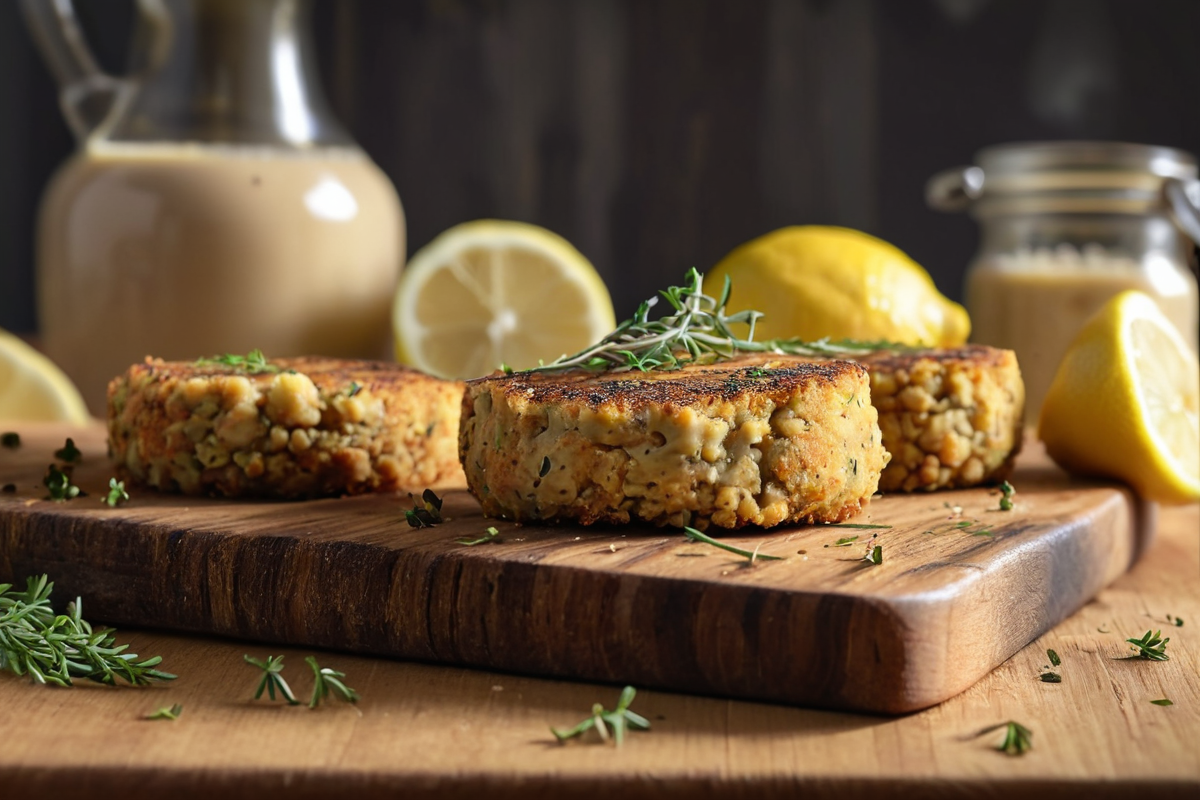
Gluten-Free · Dairy-Free · Dinner  By SavoryFolks June 1, 2026
4.9
By SavoryFolks June 1, 2026
4.9
Vegan Chicken — Chewy, Savory, and Surprisingly Easy to Make
This homemade vegan chicken is chewy, golden, and packed with plant-based protein. Ready in 35 minutes and way better than store-bought.
Hey folks,
So you want to make vegan chicken at home and you’re a little skeptical it’s going to taste like anything worth eating. I get it — I was there too. The first time I tried making homemade vegan chicken, I ended up with mushy chickpea patties that crumbled into sad little pieces the second they hit the pan. Not ideal. But after a few more rounds of testing (and one genuinely terrible attempt involving canned artichoke hearts that I will not be discussing further), I landed on a method that actually works. These come out golden on the outside, chewy and satisfying on the inside, and they hold up whether you’re slicing them for a grain bowl, tossing them in a wrap, or just eating them straight from the pan over the sink at 10pm. No judgment. The trick is all in how you handle the chickpeas — and I’ll walk you through every bit of it.
Why It Works
The magic here is chickpeas plus the right dry binders. Chickpeas give you a naturally meaty, dense texture — and when you roughly mash them (not fully smooth, never fully smooth), they develop this uneven surface that crisps up beautifully in the pan. The nutritional yeast brings a savory, almost umami depth that you really can’t skip. And the tahini? That’s the fat and richness that holds everything together without any dairy in sight.
A lot of homemade vegan chicken recipes call for vital wheat gluten to get that stretchy, chewy texture. We’re not doing that here — this recipe is completely gluten-free, and we don’t need it. The combination of GF flour and tahini gives you enough binding and structure to hold the patties together, and the texture is honestly really good. According to Bob’s Red Mill’s guide to gluten-free baking, the key with GF flours is making sure your wet-to-dry ratio is right — too much liquid and your patties fall apart, too little and they go dense and dry. This recipe is calibrated so you don’t have to guess.
The smoked paprika and thyme are doing serious work here too. Together they create that savory, slightly herby flavor that makes your brain go “wait, is this chicken?” even though you know exactly what it is.
Ingredients
Here’s what you need for this homemade vegan chicken. Everything is pantry-friendly — no specialty items, no orders to place online.
The Base:
- Chickpeas — canned works perfectly. Drain them well and pat them dry with a paper towel before you mash. Moisture is the enemy here.
- Bob’s Red Mill GF All Purpose Flour — this is my go-to for savory recipes. It binds without adding any weird sweetness or aftertaste.
- Nutritional yeast — three tablespoons. Don’t cut this down. It’s where a ton of the flavor lives.
- Tahini — smooth, pourable tahini. Not the stuff that’s gone stiff in the jar. Give it a good stir before measuring.
- Tamari — use tamari rather than regular soy sauce to keep this properly gluten-free. They taste nearly identical, so there’s no trade-off.
- Garlic powder, onion powder, smoked paprika, thyme, rosemary — this spice combo is what makes it taste savory and complex instead of just “bean patty.”
- Vegetable broth — just a quarter cup, used during cooking to add a little steam and keep everything moist as it finishes in the pan.
That’s genuinely the whole list. Nothing weird, nothing you need to hunt down.
Instructions
-
Prep your chickpeas. Drain and rinse your chickpeas, then spread them out on a paper towel and pat them really dry. This step matters more than it sounds — wet chickpeas = soggy patties. Once dry, add them to a large mixing bowl and use a fork or potato masher to roughly mash them. You want a chunky, uneven texture with some whole chickpeas still visible. Not hummus. Not whole chickpeas. Somewhere messy in the middle.
-
Mix the base. Add the GF flour, nutritional yeast, tahini, tamari, garlic powder, onion powder, smoked paprika, thyme, and rosemary to the mashed chickpeas. Season generously with salt and black pepper. Use a spatula or your hands to mix everything together until it just comes together into a rough dough. It’ll be a little sticky — that’s fine. If it feels way too wet to shape, add another tablespoon of flour.
-
Shape the patties. Divide the mixture into 8 roughly equal portions. Flatten each one between your palms into a patty about half an inch thick. They don’t need to be perfect ovals — irregular edges actually crisp up better. Place them on a plate while you heat the pan.
-
Sear the first side. Heat 2 tablespoons of olive oil in a large nonstick or cast iron skillet over medium-high heat. Once the oil is shimmering — not smoking — carefully lay the patties in, giving each one a little space. Don’t crowd the pan. Cook undisturbed for 4 to 5 minutes until you get a deep golden crust on the bottom. Don’t touch them. Seriously, don’t. Let the crust form.
-
Flip and finish. Flip the patties gently using a thin spatula. Add the remaining tablespoon of olive oil around the edges. Cook for another 3 to 4 minutes on the second side until golden. Then pour the vegetable broth into the pan (it’ll sizzle loudly — that’s normal), cover with a lid or a sheet of foil, and let the patties steam for 2 to 3 minutes. This is what keeps them from drying out in the center.
-
Rest and serve. Remove the lid, let any excess liquid cook off for another minute, then transfer the patties to a plate. Let them rest for 2 minutes before slicing — they firm up as they cool slightly. Slice, serve, eat.
Tips & Substitutions
On the chickpeas: Dry them well. I said it in the instructions and I’ll say it again here because it’s the number one reason vegan chicken patties fall apart. Wet chickpeas introduce moisture into the batter, and then you end up adding more flour to compensate, and the whole thing goes dense. A minute with a paper towel saves you from that.
For high protein vegan chicken: Want to push the protein content even higher? Swap half the chickpeas for cooked white beans or edamame. White beans have a slightly more neutral flavor and blend in seamlessly. Edamame adds a little color and a nuttier bite. Either way, you’re looking at close to 30g of protein per serving, which is genuinely impressive for a completely plant-based dish.
On the flour: Bob’s Red Mill GF All Purpose Flour is my pick here, but if you have another blend on hand, it’ll probably work. Just make sure it doesn’t have a strong flavor — some blends have chickpea or garbanzo flour in them, which can get a little beany. In this recipe, that’s actually fine. Avoid blends with a lot of tapioca, which can make the texture gummy.
No tamari on hand? Coconut aminos work. The flavor is slightly sweeter and less salty, so add a pinch more salt and you’re good.
Make it ahead: These patties hold really well in the fridge for up to 4 days. Reheat them in a dry skillet over medium heat for 2 to 3 minutes per side — they crisp right back up. The microwave works in a pinch but you’ll lose the crust, which is the best part.
Serving ideas: I love these in a grain bowl with rice, cucumber, and a drizzle of tahini sauce. They’re also great sliced thin in a gluten-free wrap with lettuce, tomato, and avocado. Or just eat them with roasted vegetables on the side — check out our Gluten-Free Roasted Cauliflower for a dead-simple pairing. And if you’re building out a full vegan dinner spread, our Vegan Lentil Soup works really well alongside these.
Frequently Asked Questions
What is vegan chicken made of? Vegan chicken can be made from a bunch of different ingredients depending on the recipe. Common bases include chickpeas, tofu, tempeh, jackfruit, or vital wheat gluten (seitan). This version uses chickpeas as the base, bound together with GF flour, tahini, and nutritional yeast. No animal products, no gluten. The spice blend is what does the heavy lifting flavor-wise.
Is this recipe actually gluten-free? Yes, completely. The key is using tamari instead of regular soy sauce (which contains wheat) and making sure your GF flour blend is certified gluten-free. Everything else in this recipe is naturally gluten-free.
Can I bake these instead of pan-frying? You can, though I personally prefer the pan-fried version for texture. To bake: preheat your oven to 400°F, place the patties on a parchment-lined baking sheet, brush both sides with olive oil, and bake for 20 to 25 minutes, flipping once at the halfway mark. They’ll be a little less crispy but still really good.
Why do my vegan chicken patties fall apart? Almost always one of three reasons: the chickpeas weren’t dried well enough before mashing, the mixture was too wet before shaping, or they were flipped too early before the crust fully set. Dry your chickpeas thoroughly, don’t skip the resting time after mashing, and resist the urge to move them in the pan before 4 minutes are up.
Can I freeze these? Absolutely. Let them cool completely, then freeze in a single layer on a baking sheet for an hour before transferring to a freezer bag. They’ll keep for up to 2 months. Reheat straight from frozen in a skillet over medium-low heat with a lid on — about 5 to 6 minutes per side — or in the oven at 375°F for 15 to 20 minutes.
The Bottom Line
This homemade vegan chicken is the kind of recipe you’ll make once, tweak slightly to your taste, and then have on repeat. 🌿 It’s genuinely satisfying, holds up to whatever you want to do with it, and the ingredient list is short enough that you probably already have most of it on hand. The pan-sear method gives you that golden crust that makes it feel like real cooking — not just a sad bean patty situation. Make a double batch on Sunday and you’ve got protein sorted for the whole week.
Per serving
Nutrition facts, the honest kind
Calculated from the exact ingredients we tested with. Estimates — your numbers will vary slightly based on brand and portion size.
- Calculated per serving (4 servings total)
- Includes all components as written
- No specialty-ingredient guesswork
Nutrition Facts
4 servings per recipe
Calories 290 kcal
% Daily Value*
Total Fat 11g
Total Carbohydrate 18g
Dietary Fiber 3g
Protein 28g
* Percent Daily Values are based on a 2,000 calorie diet. Estimated values; your numbers may vary.
More from the kitchen
All recipes