 Dessert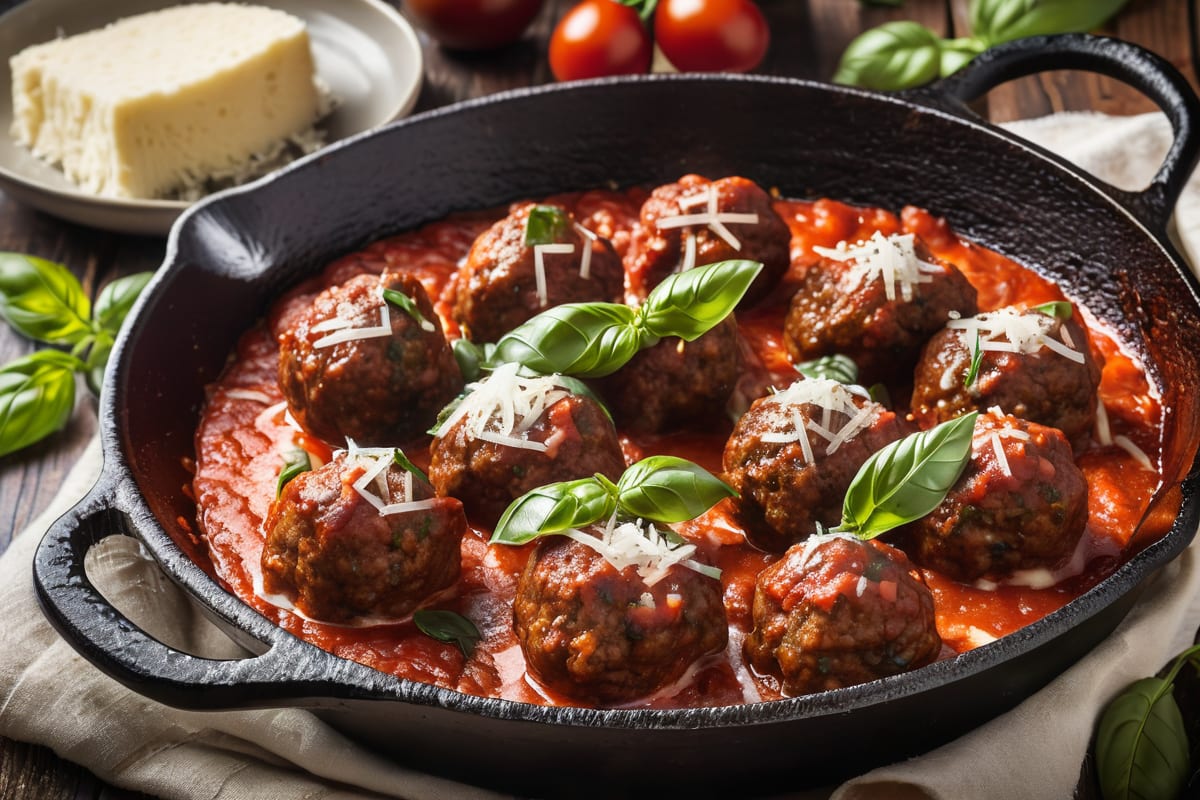
Gluten-Free · Dairy-Free · Dinner  By SavoryFolks May 18, 2026
4.9
By SavoryFolks May 18, 2026
4.9
Gluten Free Meatballs — Juicy, Tender, No Filler Required
Tender, juicy gluten free meatballs with a simple oat flour binder. Ready in 35 minutes and better than anything from a box — promise.
Hey folks,
Here’s the thing about gluten free meatballs — most recipes either turn into dry little hockey pucks or fall apart the second you try to pick one up. I’ve made this exact mistake myself. Twice. I tried straight rice flour once and ended up with this weirdly gummy texture that I can only describe as “wrong.” The second time I used nothing at all because I thought I was being clever, and, well, the skillet looked like ground beef stew by the end of it.
So after a bit of trial and error (and one very sad pasta night), I landed on this gluten free meatball recipe and I haven’t touched it since. Certified GF oat flour is the move — it binds just like breadcrumbs, soaks up the milk the same way, and you genuinely cannot tell the difference. I’m not just saying that. My husband, who is deeply skeptical of any recipe I label “gluten free,” ate six of these and asked if I’d used regular breadcrumbs again.
This is a full weeknight meal. Start to finish in about 35 minutes, with a simple pan tomato sauce that comes together while the meatballs finish baking. Let’s get into it.
Why It Works
The two things that make meatballs tender — a fat ratio that stays juicy and a binder that holds moisture without over-stiffening the texture — are both doing their jobs here.
For the fat ratio, 80/20 ground beef is non-negotiable in my kitchen. Leaner ground beef (90/10 or 93/7) sounds healthier, but in a meatball it just bakes out dry. The fat is what keeps things juicy and gives them that little bit of sizzle when they hit the hot pan. If you’re looking for a leaner option, go half beef, half ground pork — that’s actually traditional in a lot of Italian-American households and the pork fat carries you perfectly.
For the binder, the combination of oat flour, egg, and a small splash of milk is doing exactly what panade does in a classic French preparation. The milk hydrates the oat flour, creating a paste that distributes moisture throughout the meat as it cooks, according to Bob’s Red Mill’s guide to gluten-free baking. It’s also why you don’t need a ton of it — just a quarter cup of oat flour is genuinely enough for 1.5 pounds of meat. More than that and you’ll taste it.
The parmesan matters too, and not just for flavor. Finely grated (not shredded, actually grated down to almost a powder) parmesan adds saltiness and a tiny bit of protein structure that helps the meatball hold its shape. It’s a small detail but in my experience it makes a real difference in the final texture.
One more thing: don’t overwork the mix. I know it’s tempting to really knead everything together, but the more you work ground beef the tighter it gets. Mix it until it just comes together — some streaks are totally fine — and then stop.
Ingredients
A few notes on what to buy and what you can swap:
The oat flour: Make sure you’re grabbing certified gluten-free oat flour specifically. Regular oat flour is processed in facilities that handle wheat and will have cross-contamination issues. I use Bob’s Red Mill certified GF oat flour — it’s widely available and the texture is exactly right for baked gluten free meatballs with an oat flour binder.
The ground beef: 80/20, as mentioned. Don’t go leaner. If your butcher has a fresh-ground option, use it — the texture is noticeably better than pre-packaged.
The parmesan: Real parmesan, not the stuff in the green canister. Grate it yourself if you can. Pre-shredded has anti-caking agents that mess with how it melts and incorporates into the mix.
The eggs: Two large eggs is the right amount for 1.5 lbs of meat. They add structure and richness. If you need meatballs without eggs, use 3 tablespoons of plain unsweetened applesauce plus an extra tablespoon of oat flour — it works surprisingly well as a binding sub.
The tomatoes: Any good quality crushed tomatoes work here. San Marzano if you want to get fancy, store brand if it’s Tuesday and you’re just trying to get dinner on the table.
Instructions
-
Preheat and prep. Set your oven to 425°F. Line a large rimmed baking sheet with parchment paper and set it aside. Get everything measured before you start mixing — once your hands are in the meat you don’t want to be digging around for the oregano.
-
Mix the meatball base. In a large bowl, combine the oat flour and milk first. Stir them together and let that sit for about 2 minutes — you want the oat flour to absorb the milk before you add the meat. Then add the eggs, garlic, parmesan, parsley, oregano, salt, pepper, and red pepper flakes. Mix until combined.
-
Add the beef. Add the ground beef to the bowl and mix with your hands until just combined. Seriously, stop as soon as there are no more dry streaks. It should take about 30 seconds of actual mixing.
-
Portion the meatballs. Use a 1.5-tablespoon cookie scoop or just eyeball it. You want roughly golf ball sized — about 1.5 inches across. Roll them between your palms to get a smooth round shape and place them on the prepared baking sheet with a little space between each. This recipe makes about 22–24 meatballs.
-
Bake. Slide the pan into the oven and bake for 18–20 minutes. They should be nicely browned on the outside and register 165°F internally. My oven runs a little hot so I start checking at 17 minutes. Pull them when the tops have color — don’t wait for them to look dark.
-
Start the sauce while the meatballs bake. Heat olive oil in a large deep skillet or sauté pan over medium heat. Add the sliced garlic and cook for about 90 seconds, until fragrant and just starting to turn golden at the edges. Don’t let it brown. Add the crushed tomatoes, dried basil, sugar, salt, and pepper. Stir to combine and let it simmer on medium-low for 12–15 minutes, stirring occasionally.
-
Finish in the sauce. Once the meatballs come out of the oven, transfer them directly into the simmering tomato sauce. Give the pan a gentle shake to nestle them in, then let everything cook together for another 5 minutes. This is where the easy gluten free Italian meatballs in sauce really come together — the meatballs pick up the sauce flavor and the sauce picks up the meaty drippings. It’s the step everyone wants to skip and really shouldn’t.
-
Serve. Pile over your favorite gluten-free pasta, polenta, or just crusty GF bread if that’s what you’ve got. Top with fresh basil and extra parmesan.
Tips & Substitutions
On the binder options: Oat flour is my first choice, but it’s not the only route for a gluten free meatball recipe. Almond flour works — use the same quantity, but know that it makes the meatball slightly richer and a tiny bit more delicate. You can also use cooked plain white rice (about 3 tablespoons, mashed slightly) — it sounds weird but it’s genuinely one of the oldest Italian-American tricks for stretching the mix without gluten.
On making these without eggs: I mentioned applesauce above, and I want to be specific about it — use plain, unsweetened applesauce. Not flavored. Not “natural style” with chunks. Straight smooth plain applesauce. Three tablespoons plus an extra tablespoon of oat flour, and you’ll have meatballs without eggs that hold together really well. Meatloaf recipes without bread crumbs often use this same trick, so if you’ve done those before you know the drill.
If you want to pan-fry instead of bake: Heat a thin layer of olive oil in a cast iron skillet over medium-high. Sear the meatballs in batches, turning every couple minutes to brown all sides, then finish in the sauce. Takes longer but the crust is legitimately better. I do it this way on weekends when I have the time.
Freezing: These freeze beautifully. Bake them, let them cool completely, and freeze them flat on a sheet pan before transferring to a bag. Pull them out frozen and drop them straight into simmering sauce — they’ll be ready in about 15 minutes. I almost always double the recipe just to have a bag in the freezer.
Make ahead: The raw meatball mixture can be mixed and refrigerated (covered) for up to 24 hours before portioning and baking. Actually helps the flavors meld a bit.
Frequently Asked Questions
How do you make meatballs without breadcrumbs? Oat flour is the most reliable swap — use the same amount you would breadcrumbs and hydrate it with a splash of milk first. Cooked rice, almond flour, or even finely crushed gluten-free crackers all work too. The key is that you need something to absorb moisture and create a binder, so you can’t just omit the filler entirely without adjusting the egg quantity.
Are meatballs gluten free? Traditional meatballs are not gluten free because they typically use wheat breadcrumbs as the binder. Some restaurant versions also use flour-dusted hands or wheat-containing sauces, so cross-contamination is a real concern when eating out. Homemade gluten free meatballs — like this recipe — are safe as long as you use certified GF oat flour and check that your other ingredients (like parmesan and canned tomatoes) don’t have hidden gluten additives.
What’s the best flour for gluten free meatballs? Certified GF oat flour is my top pick because the flavor is neutral and the binding behavior is almost identical to breadcrumbs. Almond flour comes in second — slightly richer, a little more tender. Bob’s Red Mill 1-to-1 baking flour also works in a pinch, though it can make the texture slightly more dense than oat flour.
Can I make these ahead and reheat them? Yes — and they actually get better after sitting in the sauce overnight. Store the meatballs and sauce together in an airtight container in the fridge for up to 4 days. Reheat gently on the stovetop over medium-low, adding a splash of water if the sauce has thickened up. Microwaving works too but the stovetop method keeps them juicier.
Can I use ground turkey or pork instead of beef? Absolutely. Ground pork is actually my favorite variation — it’s fattier and the flavor is more delicate, which works really well in a tomato sauce. For turkey, go for 85/15 ground turkey rather than extra-lean, and add an extra tablespoon of olive oil to the mix to compensate for the lower fat content. Turkey meatballs bake a little faster so start checking at the 15-minute mark.
The Bottom Line
These gluten free meatballs are genuinely one of the recipes I make most often — and honestly one of the ones I’m most proud of, because it took some real trial and error to get them this consistently good. 🙌
The oat flour binder is the real trick here. Once you’ve made this version, you’ll realize there’s really nothing you’re missing by skipping the wheat breadcrumbs. The texture is right, the flavor is right, and you can have them on the table in 35 minutes flat.
If you’re new to gluten-free baking and cooking, this is a great starting point — it’s a recipe that teaches you how binders actually work, and that knowledge transfers to so many other things (meatloaf, burgers, anything that needs to hold together in the oven).
Try these over gluten free pasta or serve alongside some gluten free garlic bread and you’ve got a full Italian-American dinner that nobody will suspect is missing anything. Let me know how it goes.
Per serving
Nutrition facts, the honest kind
Calculated from the exact ingredients we tested with. Estimates — your numbers will vary slightly based on brand and portion size.
- Calculated per serving (4 servings total)
- Includes all components as written
- No specialty-ingredient guesswork
Nutrition Facts
4 servings per recipe
Calories 420 kcal
% Daily Value*
Total Fat 28g
Total Carbohydrate 14g
Dietary Fiber 1g
Protein 28g
* Percent Daily Values are based on a 2,000 calorie diet. Estimated values; your numbers may vary.
More from the kitchen
All recipes