 Dinner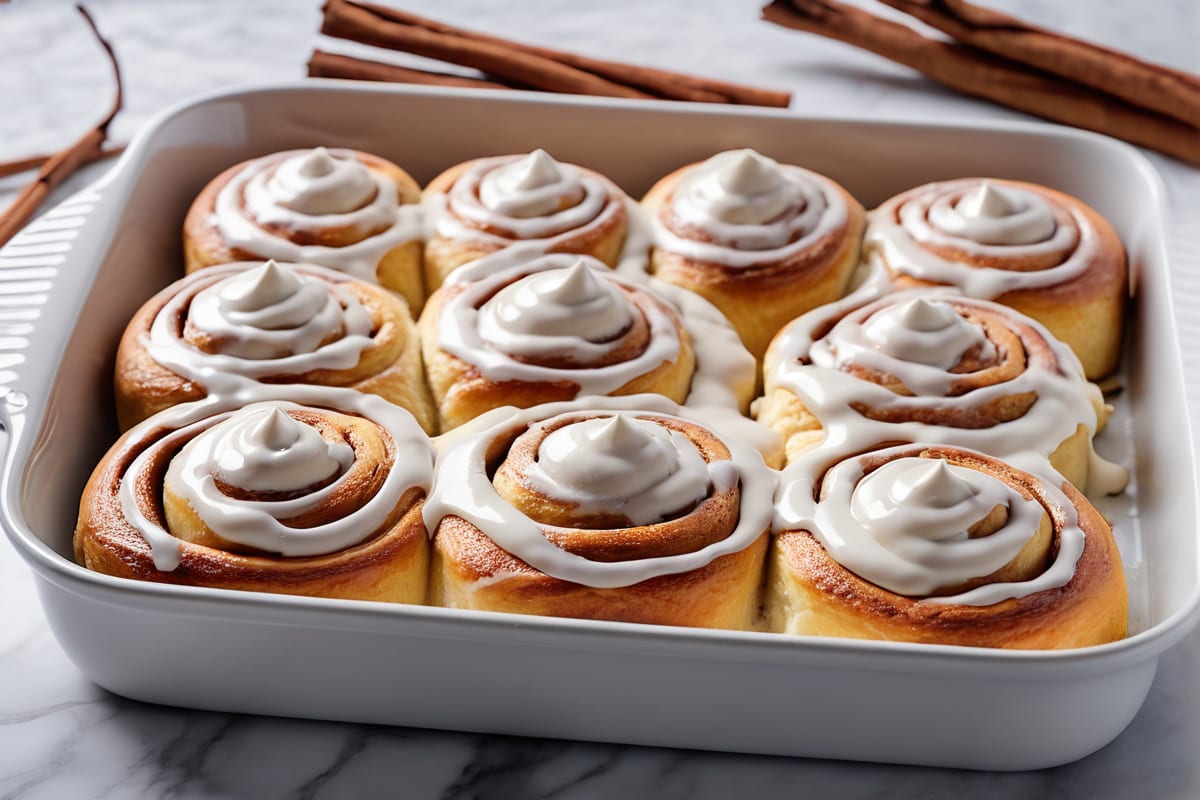
Gluten-Free · Dairy-Free · Breakfast  By SavoryFolks May 18, 2026
4.9
By SavoryFolks May 18, 2026
4.9
Gluten Free Cinnamon Rolls — Soft, Fluffy, Worth Every Minute
Soft, fluffy gluten free cinnamon rolls with a gooey brown sugar filling and cream cheese frosting. The GF version that actually works every time.
Hey folks,
If you’ve ever bit into a gluten free cinnamon roll and been met with something dense, gummy, or weirdly gritty — I hear you. I’ve been there. I spent a solid three rounds of recipe testing ending up with rolls that looked gorgeous in the pan and then basically collapsed into sad little pucks when I pulled them out of the oven. Not fun. But here’s the thing: gluten free cinnamon rolls can be soft. They can be fluffy. They can pull apart in those dreamy ribbony layers with gooey brown sugar pooling in every fold, and I’m going to show you exactly how to get there.
The secret is threefold — a proper rise time, keeping the dough warm and covered (yeast is picky and GF dough dries out fast), and not rolling the dough too thin. That last one sounds obvious but every time I skip the reminder, someone rolls it to like an eighth of an inch and wonders why their rolls don’t hold together. Anyway. Let’s do this.
Why It Works
Gluten free dough doesn’t behave like regular dough — and the sooner you make peace with that, the better your baking gets. There’s no gluten network to hold structure, so we build it differently. Xanthan gum does the heavy lifting here, creating that stretchy, slightly elastic texture that keeps the rolls from crumbling when you slice them. The apple cider vinegar sounds weird, I know, but it strengthens the dough’s structure and gives the yeast a slightly more acidic environment to work in.
The warm milk activates the yeast properly — you want it around 110°F, which is warm to the touch but not hot enough to kill the yeast. If your milk is too cool, the dough won’t rise. If it’s scalding, you’ll kill the yeast and get dense, flat rolls. I just microwave it for about 40 seconds and check it with a quick-read thermometer.
As for the Bob’s Red Mill Gluten Free 1-to-1 Baking Flour — this specific blend has been the most reliable for yeasted GF doughs in my kitchen, and Bob’s Red Mill’s guide to gluten-free baking explains exactly why pre-blended flours outperform single-flour substitutions in baked goods that need structure. If your blend already has xanthan gum listed in the ingredients, skip the extra teaspoon in the dough. Adding too much xanthan gum makes the dough gluey and the final rolls have a weird slippery bite.
The filling uses very soft (but not melted) butter. This distinction matters a lot. Melted butter runs off the dough before you can roll it, and you end up with the filling pooled at the bottom of the pan instead of spiraled inside each roll. Let your butter sit out for an hour before you start.
Ingredients
Everything here is straightforward, but a couple of notes:
The flour: I’ve tested this gluten free cinnamon roll recipe with a few different blends and the Bob’s Red Mill 1-to-1 is my top pick, followed by King Arthur’s Measure for Measure. Both have xanthan gum already in them, so skip the separate addition if you use either of these.
The yeast: Instant yeast is what I use here. You can use active dry yeast if that’s what you have — just proof it in the warm milk with a teaspoon of sugar for 5–10 minutes first before adding the other ingredients.
The egg: Room temperature, please. A cold egg straight from the fridge slows down the yeast and makes the dough harder to bring together. Just pull it out when you pull out your butter.
The cream cheese: You want it genuinely soft — like, leave-it-on-the-counter-for-an-hour soft. Cold cream cheese will make lumpy frosting no matter how hard you whisk it. Ask me how I know.
Instructions
-
Make the dough: Whisk together the gluten free flour, instant yeast, sugar, salt, and xanthan gum (if using) in a large bowl. In a separate bowl or measuring cup, whisk together the warm milk, melted butter, egg, and apple cider vinegar. Pour the wet ingredients into the dry and mix with a wooden spoon until a soft, slightly sticky dough forms. It will look more like thick mashed potatoes than traditional dough — that’s completely normal. Cover the bowl with plastic wrap and let the dough rest for 10 minutes.
-
First rise: After the 10-minute rest, cover the bowl tightly and set it in a warm spot (I put mine in an oven with just the oven light on — gets to about 80°F) for 30–35 minutes until the dough has puffed up noticeably. It won’t double like wheat dough, but you should see a clear rise.
-
Prep your pan and filling: Grease a 9x9-inch baking pan generously with butter. In a small bowl, mix together the soft butter, brown sugar, cinnamon, and pinch of salt until it forms a thick paste. Set aside.
-
Roll the dough: Lay a large sheet of plastic wrap on your counter and dust it lightly with GF flour. Turn the dough out onto the plastic wrap and dust the top of the dough as well. Place another sheet of plastic wrap on top and roll it out to a roughly 12x10-inch rectangle, about a quarter-inch thick. The plastic wrap setup is the trick here — GF dough sticks like crazy to a floured surface, but it releases cleanly from plastic wrap every time.
-
Add the filling: Peel off the top sheet of plastic wrap. Spread the cinnamon-butter filling evenly over the dough, leaving about a half-inch border along the far long edge (this helps the seam seal).
-
Roll and cut: Using the bottom sheet of plastic wrap to help you, roll the dough into a tight log starting from the long edge closest to you. This is where people rush and the rolls unravel — go slow, keep it snug. Once rolled, use a sharp serrated knife (or unflavored dental floss, honestly) to cut the log into 9 even rolls, roughly an inch and a half each.
-
Second rise: Arrange the rolls cut-side up in your prepared pan. Cover loosely with plastic wrap and let them rise in a warm spot for another 20–25 minutes. They’ll puff up and press gently against each other. Don’t skip this rise — it’s what gives you soft, fluffy rolls instead of dense ones.
-
Bake: Preheat your oven to 350°F. Bake the rolls uncovered for 28–32 minutes, until the tops are golden and the centers look set. My oven runs slightly hot so I pull them at 28 minutes. If yours is more temperamental, check at 25. A toothpick inserted in the center roll should come out with moist crumbs, not wet batter.
-
Make the frosting: While the rolls bake, beat the softened cream cheese with a hand mixer until smooth. Add the powdered sugar, milk, and vanilla and beat until fluffy and spreadable. Adjust the milk by the teaspoon if you want it thicker or thinner.
-
Frost and serve: Let the rolls cool in the pan for 5–10 minutes before frosting. This is important — frosting hot rolls means the cream cheese melts straight off and you lose all that texture. Spread the frosting generously over the warm (not hot) rolls and serve immediately.
Tips & Substitutions
Make-ahead option: If you want soft gluten free cinnamon rolls overnight, do the second rise in the fridge instead of on the counter. After arranging the cut rolls in the pan, cover tightly with plastic wrap and refrigerate overnight (up to 14 hours). In the morning, pull them out and let them come to room temperature for 30–40 minutes, then bake as directed. This actually improves the flavor — the slow cold rise gives a slightly more complex, buttery taste.
No-yeast version: Looking for gluten free cinnamon rolls easy no yeast? Replace the yeast with 2 teaspoons of baking powder and skip both rise times entirely. The dough comes together faster and you go straight from rolling to baking. The texture is closer to a biscuit-style roll — still delicious, just denser and less pillowy. Great for mornings when you don’t have time to wait.
Dairy-free swap: Use vegan butter (like Earth Balance) in both the dough and filling, swap the whole milk for oat milk or almond milk, and use dairy-free cream cheese for the frosting. The rolls work almost identically — just make sure your dairy-free cream cheese is softened the same way.
Add-ins: A quarter cup of chopped pecans or walnuts mixed into the filling is really good. So is a tablespoon of orange zest in the cream cheese frosting. And if you want to do pumpkin cinnamon rolls gluten free, replace two tablespoons of milk in the dough with canned pumpkin and add a quarter teaspoon each of ground ginger and cloves to the filling. It’s a great fall variation.
Flour notes: I mentioned the Bob’s Red Mill 1-to-1 as my go-to, but if you want to experiment with King Arthur GF Measure for Measure, it works well too. Both are xanthan-inclusive blends. Avoid single-grain flours like pure almond flour or coconut flour here — they don’t have enough structure on their own for a yeasted roll.
Don’t overbake: GF baked goods dry out faster than wheat-based ones. These rolls should look just golden on top, not deeply browned. If you overbake them they’ll firm up a lot as they cool.
Frequently Asked Questions
How do you make gluten free cinnamon rolls soft and not gummy? The two biggest factors are not rolling the dough too thin and not overbaking. GF doughs get gummy when there’s too much moisture trapped inside from underbaking, but they get dry when overbaked — so pull them at just golden on top. The resting period after mixing (10 minutes) and a proper second rise also make a big difference in the final texture.
Can you make a cinnamon roll recipe no yeast gluten free? Yes, and it’s actually a great shortcut. Replace the yeast with 2 teaspoons of baking powder, skip both rise times, and go straight from rolling to baking. The result is a biscuit-style roll — softer and more crumbly than the yeasted version, but still satisfying and way faster. Good option for weekend mornings when you want cinnamon rolls in under an hour.
What gluten free flour works best for cinnamon rolls? A pre-blended 1-to-1 or Measure for Measure GF flour that already includes xanthan gum is your best bet. Single flours like almond flour, rice flour, or oat flour won’t provide enough structure on their own for a rolled yeasted dough. Bob’s Red Mill 1-to-1 and King Arthur Measure for Measure are both reliable here.
Why did my gluten free cinnamon rolls fall apart when I cut them? Usually one of three reasons: the dough was rolled too thin (aim for a quarter inch, not thinner), the rolls were cut before the second rise was complete, or the filling had too much melted butter instead of soft butter, which runs and weakens the spiral. A serrated knife or unflavored dental floss cuts much more cleanly than a regular knife.
Can I freeze gluten free cinnamon rolls? Absolutely. Bake the rolls fully, let them cool completely, and freeze them unfrosted in an airtight container for up to 2 months. Thaw overnight in the fridge and warm in a 300°F oven for 10 minutes, then frost. You can also freeze the cut, unbaked rolls right in the pan after the second rise — cover tight with foil and freeze. Bake from frozen at 350°F for 40–45 minutes.
The Bottom Line
These gluten free cinnamon rolls are the real deal — soft, gooey, pull-apart, and covered in tangy cream cheese frosting. 🎉 They take a bit of patience with the two rises, but honestly most of that time is just hands-off waiting. The overnight method is my personal favorite because you do all the work the night before and wake up to rolls that are practically ready to bake. Make them once and you’ll stop missing the wheat-based version entirely. If you love cozy GF baking, check out our Gluten Free Banana Bread or our Gluten Free Blueberry Muffins — both use the same 1-to-1 flour swap and come out perfectly every time.
Per serving
Nutrition facts, the honest kind
Calculated from the exact ingredients we tested with. Estimates — your numbers will vary slightly based on brand and portion size.
- Calculated per serving (9 servings total)
- Includes all components as written
- No specialty-ingredient guesswork
Nutrition Facts
9 servings per recipe
Calories 390 kcal
% Daily Value*
Total Fat 14g
Total Carbohydrate 61g
Dietary Fiber 2g
Protein 6g
* Percent Daily Values are based on a 2,000 calorie diet. Estimated values; your numbers may vary.
More from the kitchen
All recipes