 Dinner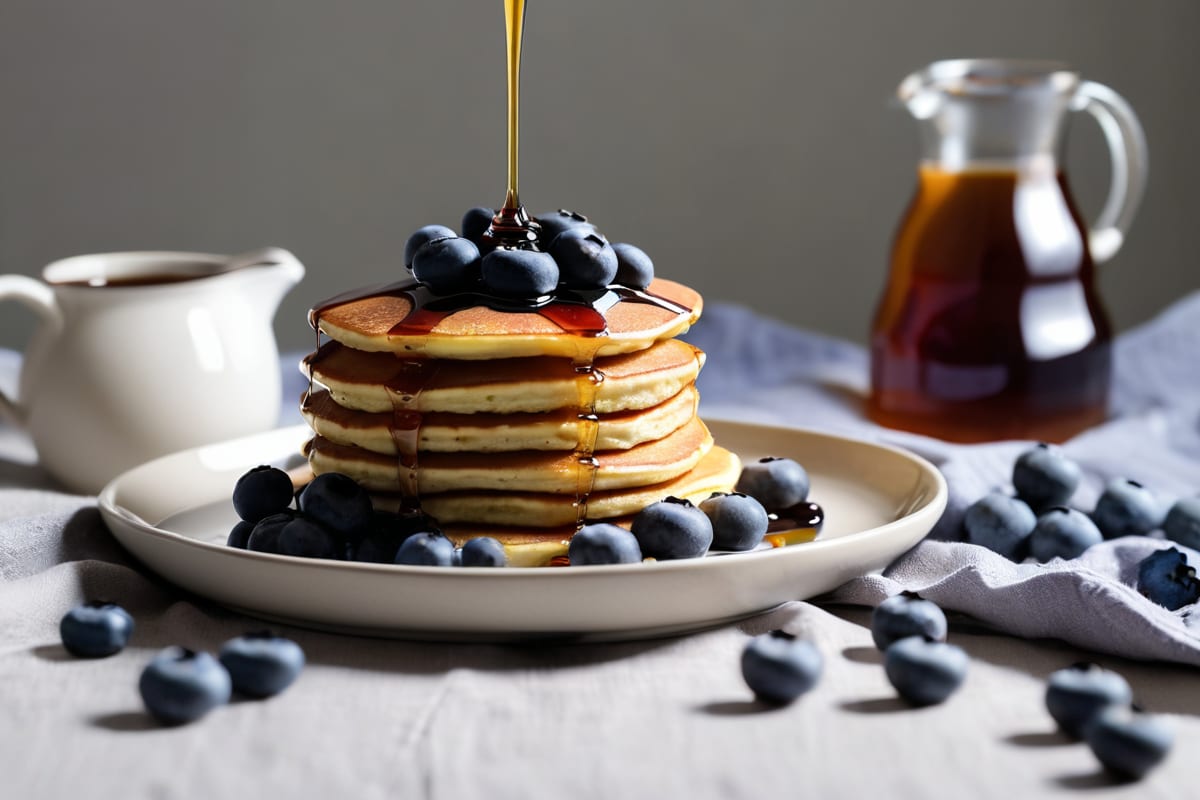
Gluten-Free · Dairy-Free · Breakfast  By SavoryFolks May 18, 2026
4.9
By SavoryFolks May 18, 2026
4.9
Gluten Free Dairy Free Pancakes — Fluffy Every Time
Light, fluffy gluten free dairy free pancakes made with oat flour and almond milk. Ready in 25 minutes and perfect for weekend breakfast.
Hey folks,
If you’ve ever made gluten free dairy free pancakes that came out rubbery, flat, or weirdly gummy — I completely understand. I’ve been there. My first attempt was a disaster. I used a random GF flour blend, swapped in water because I was out of almond milk, and ended up with dense little hockey pucks that my kids silently pushed around their plates. Not my best Sunday.
But then I nailed it. The real secret is oat flour — specifically certified gluten free oat flour — combined with a quick DIY “buttermilk” made from almond milk and apple cider vinegar. That combination creates tiny air bubbles in the batter before it even hits the pan, and those bubbles are exactly what gives you that fluffy rise everyone is chasing. These gluten free dairy free pancakes are genuinely light. Stack-worthy light. My youngest asked me to make them three weekends in a row, which is honestly the highest compliment I know how to accept.
This recipe takes ten minutes of prep, fifteen minutes of cooking, and zero complicated techniques. It’s the gf df pancake recipe I come back to every single time we need a real breakfast on the weekend.
Why It Works
The almond milk and apple cider vinegar combo is doing a lot of heavy lifting here. When you stir them together and let them sit for a minute, the acid in the vinegar curdles the milk slightly — creating a dairy-free “buttermilk” that activates the baking powder and baking soda faster once the batter hits the heat. The result is a noticeably taller, airier pancake compared to just using almond milk straight. According to Bob’s Red Mill’s guide to gluten-free baking, acid-activated leavening is especially important in GF batters because they lack the gluten network that would otherwise help trap air naturally.
Oat flour is also doing something that a lot of other GF flours just don’t do — it absorbs liquid gradually and evenly, which means your batter stays workable without turning into a gluey mess. Rice flour-based blends can get thick and stiff as they sit, which is why those batters produce rubbery pancakes if you don’t cook them immediately. Oat flour is more forgiving. You can let it rest for five minutes and it actually gets better.
The oil in the batter (instead of melted vegan butter) also helps keep the pancakes tender even after they cool a bit. Butter-based pancakes — even vegan butter — tend to firm up once they’re off the heat. Oil stays liquid, so the crumb stays soft. Small thing, but you’ll notice it.
Ingredients
Here’s what you need for a batch that serves four people (about 8–10 pancakes depending on size):
- Certified gluten free oat flour — this is non-negotiable. Regular oat flour may be contaminated with wheat during processing. Bob’s Red Mill certified GF oat flour is my go-to. It’s finely milled and produces a smooth batter.
- Baking powder + baking soda — you need both. The baking powder gives initial lift; the baking soda reacts with the acidified almond milk for extra height.
- Fine sea salt — just half a teaspoon, but don’t skip it. It makes the whole pancake taste less flat.
- Sugar — just a tablespoon. These aren’t meant to be sweet pancakes; the sugar is there to help browning and balance the tang from the vinegar.
- Unsweetened almond milk — for fluffy gluten free dairy free pancakes with almond milk, unsweetened is the right call. Sweetened varieties can make the edges burn before the center sets.
- Apple cider vinegar — this is what turns the almond milk into your dairy-free buttermilk. One tablespoon is enough.
- Eggs — two large eggs bind the batter and add structure. (See Tips & Substitutions below if you need to make gluten free dairy free pancakes without eggs.)
- Neutral oil — avocado oil or light olive oil. Don’t use coconut oil here; the flavor can be a little too present.
- Vanilla extract — one teaspoon. Pure, not imitation. It matters more than you’d expect.
Instructions
-
Make your dairy-free buttermilk. In a small bowl or measuring cup, combine 1 cup unsweetened almond milk and 1 tablespoon apple cider vinegar. Stir once and set it aside for 3–4 minutes. You’ll see it thicken and look slightly curdled — that’s exactly what you want.
-
Whisk the dry ingredients. In a large mixing bowl, whisk together the oat flour, baking powder, baking soda, salt, and sugar. Make sure they’re evenly combined before adding anything wet. Lumps in the dry mix = lumps in the batter.
-
Add the wet ingredients. Crack both eggs into the almond milk mixture and add the oil and vanilla extract. Whisk it together in the measuring cup for about 20 seconds until the eggs are fully beaten in.
-
Combine wet and dry. Pour the wet mixture into the dry ingredients and stir with a spatula or wooden spoon until just combined. Don’t overmix — seriously, stop as soon as you don’t see dry flour anymore. A few small lumps in the batter are totally fine. Overmixing is the second most common reason GF pancakes come out dense.
-
Rest the batter. Let the batter sit for 5 minutes while you heat your pan. This rest period lets the oat flour fully hydrate and the leaveners do their thing. Don’t skip this.
-
Heat your pan. Set a non-stick skillet or griddle over medium heat. Add a tiny bit of oil and wipe it around with a paper towel so the surface is lightly coated. You want the pan hot but not smoking — if a drop of water flicked on the surface sizzles immediately, you’re ready.
-
Cook the pancakes. Pour about ¼ cup of batter per pancake onto the pan. Cook undisturbed for 2–3 minutes, until bubbles form across the surface and the edges look set and matte (not shiny). Flip once and cook for another 1–2 minutes on the second side. Don’t press them down with the spatula — let them stay puffy.
-
Keep warm and serve. Transfer finished pancakes to a plate and cover loosely with a clean towel or put them in a 200°F oven while you cook the rest of the batch. Serve with maple syrup, fresh fruit, or whatever you like.
Tips & Substitutions
For egg-free pancakes: Making gluten free dairy free pancakes without eggs is totally doable. Use 2 flax eggs instead — that’s 2 tablespoons of ground flaxseed mixed with 6 tablespoons of water, left to gel for 10 minutes before adding to the batter. The texture is slightly denser and less custardy inside, but the pancakes still hold together and taste great. I’ve made them this way plenty of times for brunch guests with egg allergies and no one has complained.
On flour swaps: Oat flour is really the best option for this specific recipe. If you absolutely can’t use oat flour (some people with oat sensitivities can’t tolerate it even certified GF), you can try a certified GF all-purpose blend — but add an extra tablespoon of it because AP blends are less absorbent than oat flour and your batter will be too thin otherwise. Rice-flour-heavy blends tend to produce a slightly chewier result, which is a matter of preference.
On dairy free gluten free pancakes with other milks: Almond milk is my first pick because it’s thin enough to create a pourable batter and has a neutral flavor. Oat milk works too, but the batter will be slightly thicker — thin it out with a splash of water if needed. Coconut milk from a can is too thick and fatty for this recipe unless you dilute it 50/50 with water. Full-fat canned coconut milk makes greasy pancakes. Don’t say I didn’t warn you.
The heat level: Medium heat, not medium-high. I made the mistake of cooking these on a hotter griddle once thinking I’d speed things up, and the outsides went dark before the centers were cooked through. Patience with medium heat gives you the evenly golden pancakes worth photographing.
Batter thickness: After the 5-minute rest, if your batter looks very thick (more like muffin batter than pancake batter), add almond milk one tablespoon at a time until it’s pourable. Oat flour brands vary in how finely they’re milled, and that affects absorption.
Make-ahead tip: You can make a double batch and freeze the leftover pancakes flat on a sheet pan, then transfer to a zip-lock bag. Reheat in a toaster straight from frozen — they come out better than reheating in a microwave, which makes them rubbery.
Frequently Asked Questions
What milk is best for GF DF pancakes? Unsweetened almond milk is the best choice for these pancakes. It’s thin enough to create the right batter consistency and has a neutral flavor that doesn’t compete with the vanilla and maple syrup. Oat milk works as a close second, but it tends to make the batter slightly thicker, so you may need to thin it a little. Avoid canned coconut milk — it’s too fatty and dense for a light, fluffy result.
What flour works best for gluten free dairy free pancakes? Certified gluten free oat flour is the best option for this recipe. It absorbs liquid evenly, produces a smooth batter, and gives you a light, tender crumb. Rice-flour-based all-purpose blends also work but tend to produce a slightly chewier texture. Whatever you use, make sure it’s certified gluten free — cross-contamination from wheat is a real concern with oat flour especially.
Can I make these pancakes without eggs? Yes. Replace the 2 eggs with 2 flax eggs (1 tbsp ground flaxseed + 3 tbsp water per egg, gelled for 10 minutes). The pancakes will be slightly denser but still hold together and taste good. Just don’t expect the exact same custardy interior — eggs add lift and structure that flax can only partially replicate.
Why are my gluten free dairy free pancakes coming out flat? Three most likely culprits: your baking powder is old (test it by dropping a teaspoon in hot water — if it doesn’t bubble vigorously, replace it), you overmixed the batter (stir just until combined), or you skipped the 5-minute rest. Any one of those can kill the lift. Also check that you let the pan heat fully before adding batter — a cold pan means slow cooking, which deflates the bubbles before they set.
Can I add mix-ins like blueberries or chocolate chips? Absolutely. Fold them gently into the batter right after the 5-minute rest, just before cooking. Fresh or frozen blueberries both work — if using frozen, don’t thaw them first or they’ll bleed blue color through the whole batter. For chocolate chips, use dairy-free chips if you want to keep the recipe fully dairy-free. About ½ cup of mix-ins per batch is plenty.
The Bottom Line
These gluten free dairy free pancakes have become the recipe I make more than almost anything else on this site. They’re genuinely fluffy, they come together fast, and they taste like actual pancakes — not like a compromise. The oat flour and almond milk buttermilk trick is the whole game. Once you’ve made these, you’ll stop searching for a better version. 🥞
If you want to round out your GF DF breakfast spread, check out my Gluten Free Dairy Free Banana Bread for something you can make ahead, or try the Gluten Free Oat Flour Waffles if you have a waffle iron and want to use the same base batter in a different form. Both pair perfectly with maple syrup and a strong coffee.
Per serving
Nutrition facts, the honest kind
Calculated from the exact ingredients we tested with. Estimates — your numbers will vary slightly based on brand and portion size.
- Calculated per serving (4 servings total)
- Includes all components as written
- No specialty-ingredient guesswork
Nutrition Facts
4 servings per recipe
Calories 210 kcal
% Daily Value*
Total Fat 6g
Total Carbohydrate 34g
Dietary Fiber 3g
Protein 5g
* Percent Daily Values are based on a 2,000 calorie diet. Estimated values; your numbers may vary.
More from the kitchen
All recipes